
The short answer
Build around five jobs before you chase a sixth premium unit: wave clear, economy, support or control, boss pressure, and a flexible answer. Use the Anime Vanguards tier list to shortlist units, the unit database to check roles, and a two-test routine to confirm whether the team actually clears your target stage.
What a complete Anime Vanguards team needs
Searchers asking for the best team Anime Vanguards can offer usually want a usable composition, not six isolated tier letters. The first question is the win condition: stable early waves, a long scaling run, a boss timer, a portal modifier, or a safe farming route. A team is strong when it reaches the next important breakpoint with fewer retries and less resource waste.
Treat the current patch and stage as part of the answer. Public tier lists, videos, and community pages are useful leads, but they can describe a different update, trait roll, map, or account. Record the stage, version date, unit role, and result of your own test before turning a suggestion into a permanent rule.
- Choose one dependable wave-clear plan before adding luxury damage.
- Reserve at least one slot for economy unless the mode removes or changes that job.
- Add support or control when range, uptime, placement, or crowd pressure is the real bottleneck.
- Keep one flexible slot for a boss answer, event modifier, or temporary bridge unit.
Assign six slots by job, not by popularity
A practical six-slot build starts with a main wave carry and an economy unit. The next two slots cover the problem the map creates: support, slow, range, crowd control, or a second damage pattern. Add a boss-focused unit when the stage has a damage check, then keep the last slot open until you know what the run actually lacks.
This structure also explains why the highest tier unit is not always the best next pull. If your account already clears waves but misses a boss timer, a boss specialist can produce more value than a second wave carry. If your income arrives too late, improving economy can beat a small DPS upgrade. Match every pick to a measurable job.
- Main carry: consistent wave damage with a cost curve you can reach.
- Economy: income or early tempo that unlocks the next placement.
- Support/control: range, slow, buff, debuff, or uptime that multiplies other slots.
- Second damage: boss, burst, bleed, or coverage that fixes a different failure.
- Flex slot: event requirement, extra support, or a bridge until a core unit arrives.
Build separate checks for wave clear and boss damage
Wave damage and boss damage are related, but they are not the same test. A unit that clears groups efficiently may lose value against one high-health target. Conversely, a boss specialist may arrive too late or leave gaps during ordinary waves. Run one repeatable wave check and one boss or long-run check before you call a composition the best team Anime Vanguards players should copy.
For the wave check, note the first failure point, the number of placements needed, and whether economy arrives before the next cost breakpoint. For the boss check, note time remaining, support uptime, and whether the boss answer displaces a unit that was needed earlier. A small log is more reliable than a screenshot from a different stage.
- Wave test: clear the first meaningful pressure point without emergency rerolls.
- Boss test: meet the timer with the same support and economy assumptions.
- Long-run test: check that the team still has a usable slot after upgrades.
- Swap only one slot at a time so the result has a clear cause.
How to build from the roster you already own
Start with the units you can place and upgrade today. Filter the unit database by role, then compare the tier-list note with your stage and available materials. Mark each candidate as core, bridge, or test-only. A bridge unit is not a failure: it is a resource-aware choice that stays until a real replacement changes the clear.
Use codes and current reward notes before spending gems or rerolls. Then make the smallest change that could solve the failure. If a new carry does not change the first failed wave, it is not yet a meaningful upgrade. If a support unit changes coverage or a boss unit changes the timer, record that result and update the team plan.
- Inventory roles before chasing names: carry, economy, support, control, boss, flex.
- Compare upgrade cost with the next stage breakpoint, not only the unit's tier.
- Keep a dated note when a stage, trait, event, or reward rule changes.
- Re-test after a balance update instead of treating an old team as permanent.
Scenario swaps: when the default build is not enough
A general team build should be a starting point, not a promise that one composition wins every mode. Portal modifiers, guild-style boss checks, long farming routes, and restricted placement can all change which role matters most. Make a controlled swap: name the failed job, replace one slot, and repeat the same test.
This is also where related searches such as best team for guild boss Anime Vanguards belong. They are useful scenario terms, but they should not replace the broader team-build page. The same account may need a different boss slot while keeping its economy, support, and wave core unchanged.
- Guild or boss check: trade a second wave slot for reliable single-target pressure.
- Long farming run: protect economy and uptime before adding burst.
- Crowded waves: prioritize range, slow, or coverage over a small damage peak.
- Restricted map: choose units that preserve value when placement space is limited.
Anime Vanguards team role decision matrix
Use this matrix to choose the next slot. It is an editorial testing framework, not an official permanent ranking.
| Role | Keep or invest when | Swap or delay when | Best check |
|---|---|---|---|
| Wave carry | It clears the next pressure point on budget. | It arrives late or leaves repeated gaps. | Track first-failure wave and upgrade timing. |
| Economy | It unlocks the next important placement sooner. | The mode gives enough income without it. | Compare the first two spending breakpoints. |
| Support / control | Range, slow, buff, or uptime improves several units. | The effect does not change a real failure. | Measure coverage and active time. |
| Boss damage | It meets the boss timer without breaking waves. | It solves a check that your stage does not have. | Repeat the same boss or long-run test. |
| Flex | It answers the modifier or current account gap. | It is only a popular name with no job. | Swap one slot and compare the outcome. |
Five steps to test a team build
1. Name the failure
Write down the exact wave, boss timer, income breakpoint, range gap, or placement problem. “I want a stronger team” is too broad to test.
2. Fill the role map
Mark your current carry, economy, support or control, boss answer, second damage pattern, and flex slot. Empty roles are more useful than empty tier letters.
3. Make one controlled swap
Use the tier list and unit database to choose one candidate. Change one slot so the result can be attributed to that unit.
4. Run two repeatable checks
Repeat a wave test and a boss or long-run test with the same map, starting budget, traits, and support assumptions.
5. Record the stop point
Keep the build when it fixes the named failure. Stop spending when the next upgrade is theoretical or delays a more important role.
Best team Anime Vanguards FAQ
What is the best team in Anime Vanguards?
There is no permanent six-unit answer without a current stage, roster, traits, and update context. Start with wave clear and economy, then add support or control, boss damage, and one flexible slot. Test the result instead of copying a static list.
Should I use the highest tier units in every slot?
No. A high-tier unit can be the wrong purchase when your account is missing economy, support, control, or a boss answer. Use the role first and let the tier list shortlist candidates.
What is an Anime Vanguards team build?
It is a planned set of units with defined jobs and a testable win condition. The build should explain why each slot exists and what you would swap when the map or boss changes.
What is the best team for guild boss Anime Vanguards players can use?
Treat guild boss as a scenario, not a universal page replacement. Keep the wave and economy core if it remains stable, then trade one flex or second-wave slot for repeatable single-target pressure and verify the timer.
Can I use the same team for farming and bosses?
Sometimes, but do not assume it. Farming usually rewards economy, uptime, and wave coverage; bosses can reward timing and single-target damage. Run both checks and swap only the slot that fails.
How often should I update a team build?
Review it after a balance update, new unit, stage modifier, trait change, or reward change. Add the date to your notes and keep the conclusion tied to a visible test.
Does this site sell units, accounts, scripts, or trades?
No. This is an independent planning guide. It does not host a fake play area, sell accounts or items, provide exploits, or handle gambling or trading.
Summary
The best team Anime Vanguards players can use is the team that solves the next measurable failure with the fewest wasted resources.
Use the tier list for candidates, the unit database for role context, codes for budget planning, and repeatable wave and boss checks for the final decision.
Sources and limits
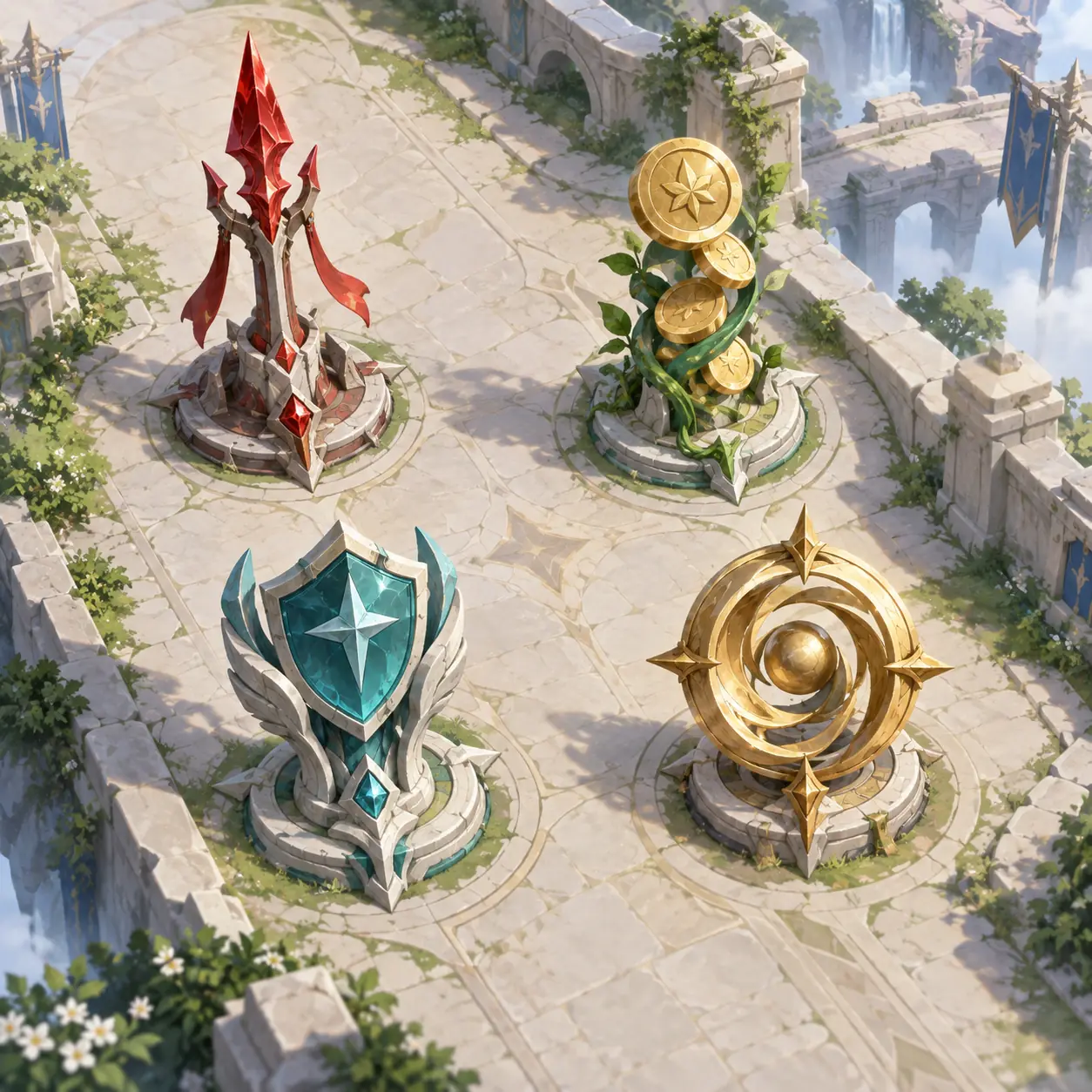
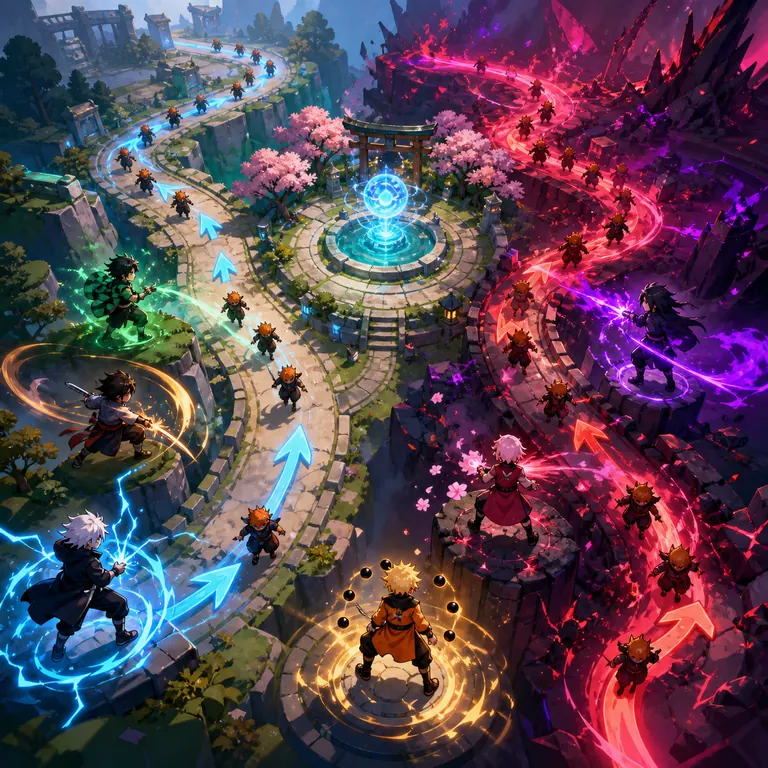
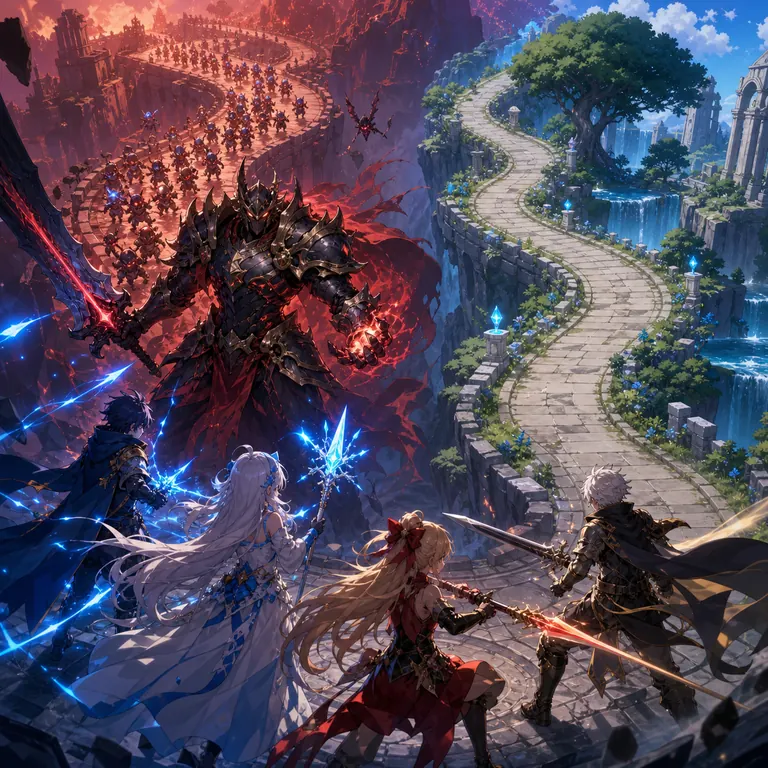
This page combines the site's editorial role framework with public search and community signals checked on September 24, 2026. Roblox live-service values, names, and stage rules can change. The three images are explanatory illustrations, not official gameplay screenshots.